FOMO Trading: How Chasing Late Entries Destroys Your Edge
I used to chase every move I missed.
If a stock ripped without me, I felt like the day was slipping away. I’d jump in late, convince myself it was still “early,” and then watch the candle reverse the second I clicked buy. It wasn’t bad luck. It was bad timing disguised as confidence.
My story: I kept arriving after the party
The pattern was brutal: I’d watch a clean breakout, hesitate, then chase the third or fourth candle once it “proved” itself. The move would stall, I’d get nervous, and I’d sell right before the second leg actually started. The trades that did run? I was already gone.
The rule that changed everything was simple: if I didn’t get the planned entry window, I didn’t take the trade. I built a pullback alert, set a timer for the first two candles after the alert, and promised myself I’d pass if it moved without me.
It felt like I was missing opportunities — until I realized I was actually skipping the worst ones.
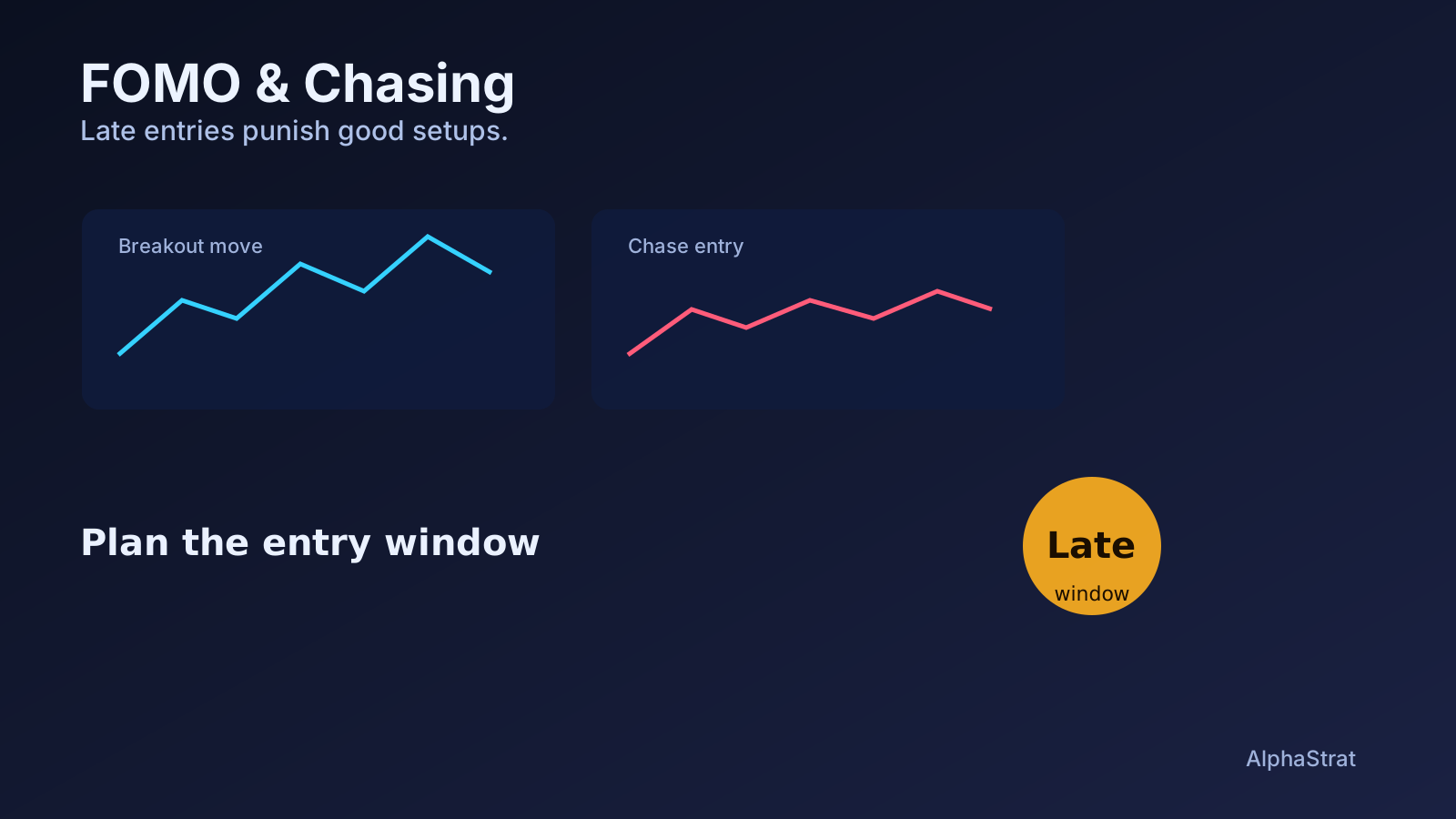
Where I am now: I still miss moves, but I don’t chase them. My P&L improved the moment I respected the entry window.
Quick visual: the workflow at a glance
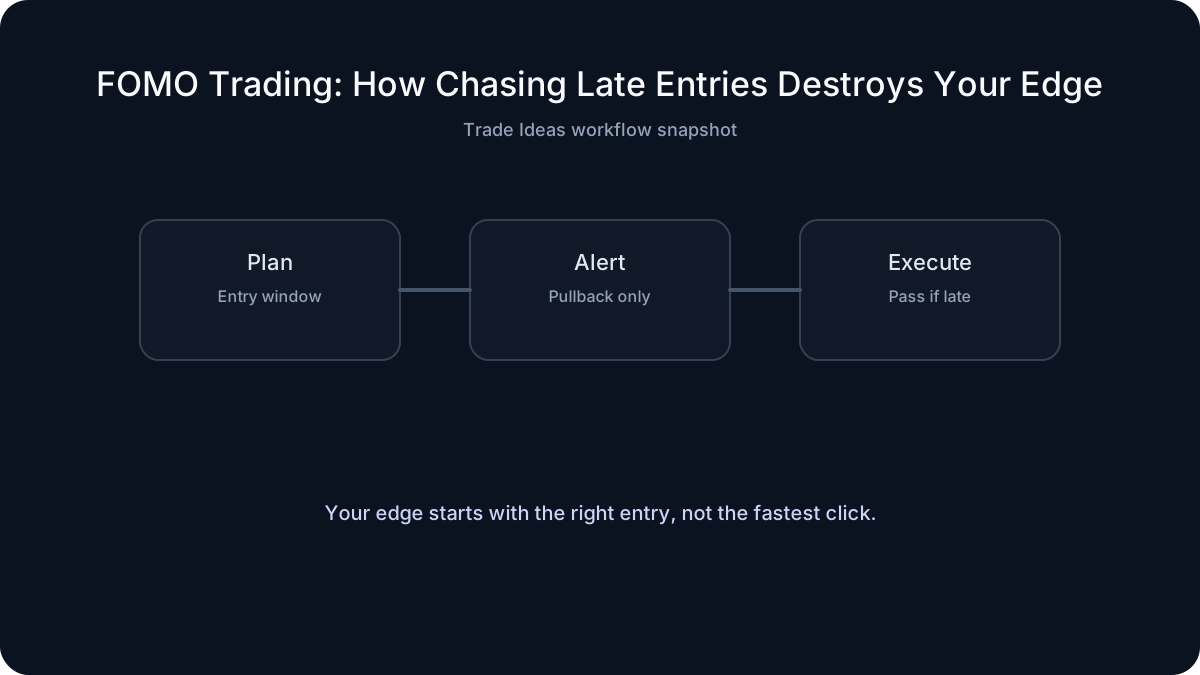
How to use it: - Define the entry window before the alert fires. - Wait for the pullback instead of chasing the breakout. - Pass if price runs without you.
Why chasing feels urgent (and expensive)
FOMO makes late entries feel safer because “everyone else already bought.” But late entries usually mean: - You’re buying into exhaustion, not momentum. - Your stop is wider (or closer to the lows), which ruins your risk. - Your reward shrinks because the best part of the move already happened.
Chasing turns good setups into bad trades. The setup didn’t change — your timing did.
The anti‑FOMO rule that stopped my chasing
This was the breakthrough:
- Define the entry window (first pullback after the breakout, or first two candles after alert).
- Set a price alert that only triggers when the pullback happens.
- If it runs without you, you pass. No exceptions.
Missing a trade is annoying. Chasing a bad entry is expensive.
How Trade Ideas helps you wait for the right entry
Trade Ideas made it easier to wait because I could automate the pullback alert instead of staring at charts.
- I set a scanner for my breakout criteria.
- I added a pullback filter to get a second‑chance entry.
- I only acted when the alert matched my plan.
If you want a walkthrough of the setup, start here: Trade Ideas review.
A quick self‑check before you chase
Ask yourself: - Did I plan this entry before the move started? - Is my stop still logical — or am I forcing it? - Would I take this trade if I wasn’t already emotionally invested?
If the answer is no, let it go.
Final thought
You don’t need every move. You need good entries on the right moves.
When you’re ready to build a scanner that catches pullbacks instead of late entries, compare Trade Ideas pricing or Trade Ideas plans.
Risk disclosure: Trading involves risk. Past performance is not indicative of future results.
Next step
Pick the right Trade Ideas plan
If you're ready to decide, start with the review and then compare pricing + plans.