Holding Losers Too Long & Cutting Winners Early: Fix the Trade Management Loop
I used to do the exact opposite of what made money.
I’d grab small wins the second a trade went green, then hold losers while whispering, “Just come back.” On paper it looked like discipline. In reality it was fear dressed up as strategy.
My story: I was protecting my ego, not my edge
One month I had a 60% win rate and still ended red. When I finally graphed the trades, it was obvious: my winners were tiny and my losers were huge. I wasn’t managing risk — I was managing emotions.
The fix was mechanical: - Define risk per trade (1R). - Set a target (2R or 3R). - Never move a stop farther away.
The first time I followed it for a full week, my results flipped. Not because every trade won — but because the winners finally had room to matter.
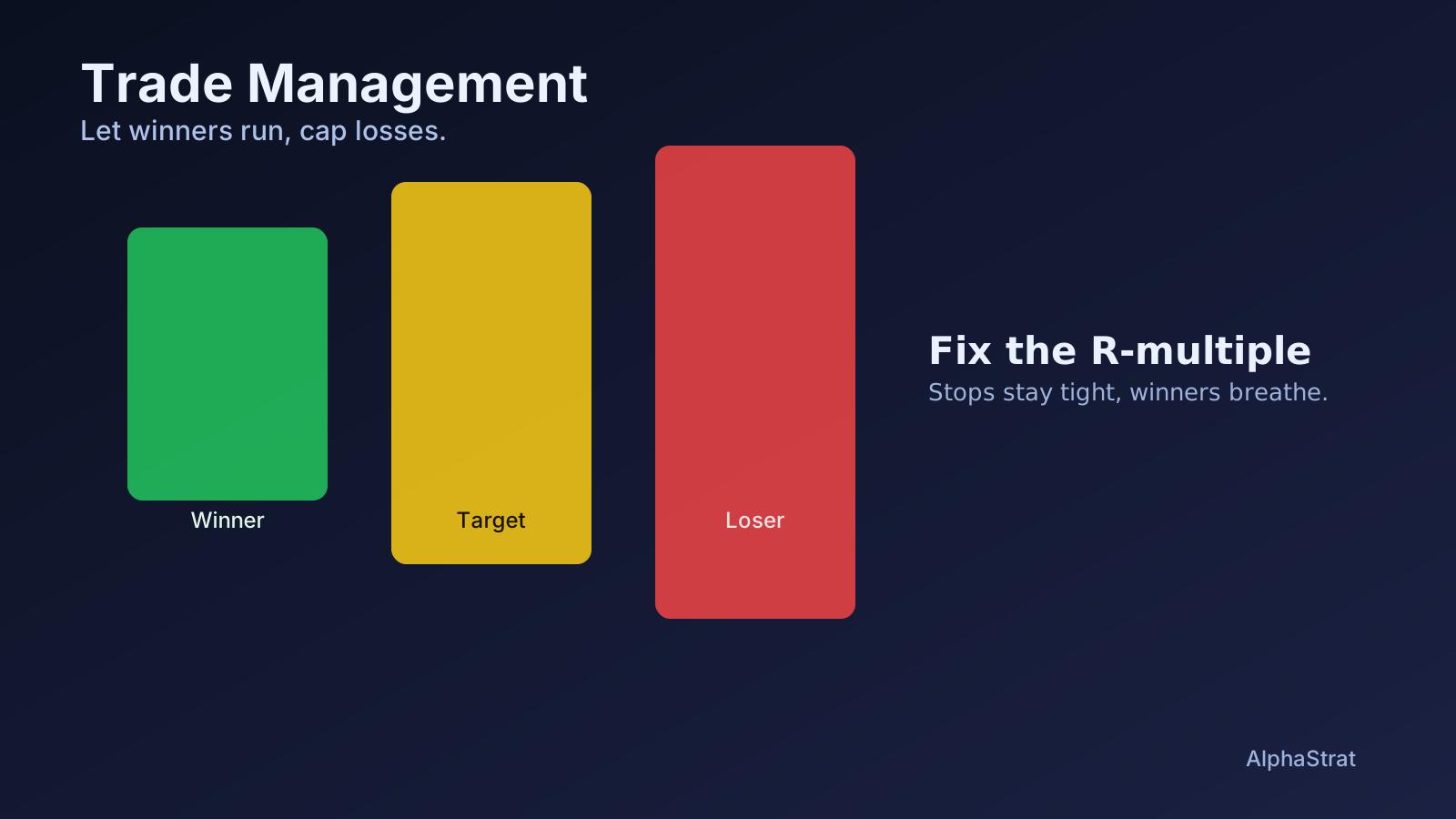
Where I am now: I still take losses, but they’re contained. And when I’m right, I let the trade actually pay me.
Quick visual: the workflow at a glance
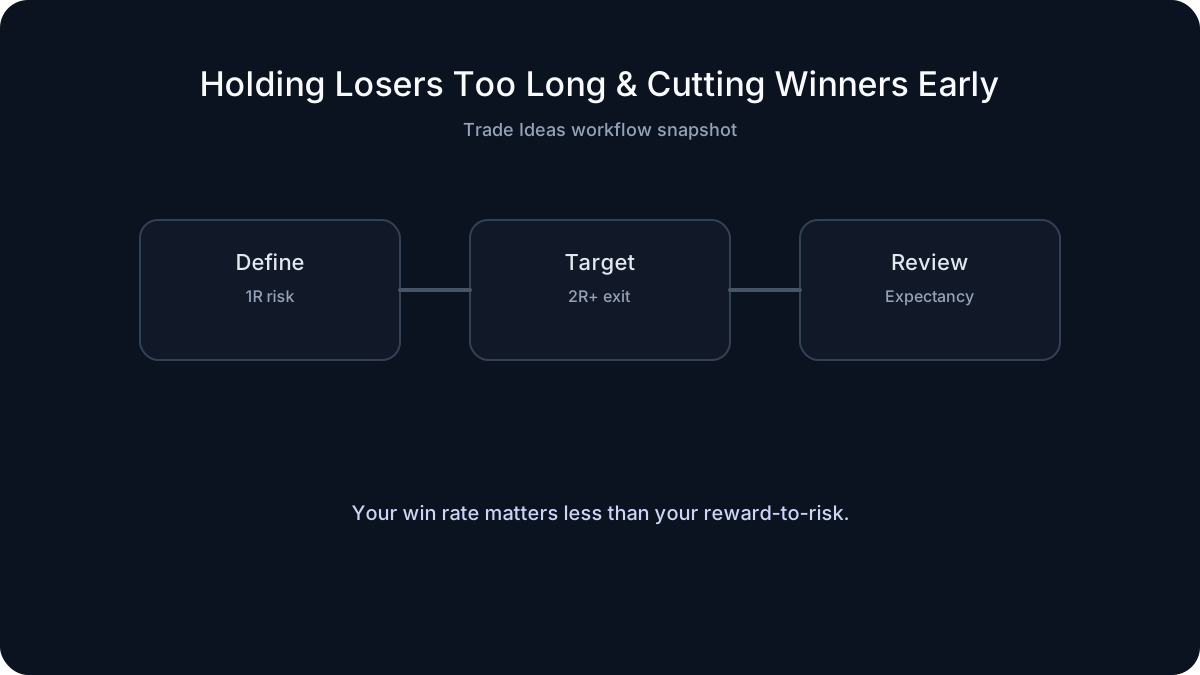
How to use it: - Define risk (1R) before you enter. - Set the target (2R+), then let it play. - Review weekly to keep expectancy honest.
Why this pattern wrecks your expectancy
Cutting winners early feels safe. Holding losers feels hopeful. Together they destroy expectancy because: - Your average win shrinks. - Your average loss grows. - Your edge disappears even if your win rate looks good.
The market doesn’t care about how often you’re right — it pays you based on how well you manage risk.
The R‑multiple rule that fixed my trade management
I started thinking in “R” instead of dollars:
- Define 1R (the distance between entry and stop).
- Plan a 2R or 3R target before you enter.
- Never widen the stop. If you move it, it only moves closer.
- Let winners breathe. If you want to take partials, do it at 1R and keep the rest for the plan.
It removed the emotional improvisation. I wasn’t deciding in the moment — I was executing a plan.
How Trade Ideas helps enforce the plan
Trade Ideas made it easier to stick to the plan because I could set alerts at my exit levels and stop babysitting every tick.
- Alerts notify me when targets or stops are hit.
- Scanner discipline means I only trade the setups I’ve tested.
- The review is cleaner because every trade follows a consistent template.
If you want to see how to build that workflow, start here: Trade Ideas review.
A quick self‑check before you move the stop
Ask yourself: - Am I moving the stop because price action changed — or because I’m scared? - Would I take this trade again if I could rewind the entry? - Does this follow the plan I wrote down?
If it doesn’t, don’t change it.
Final thought
Great trading isn’t about avoiding losses. It’s about controlling them and letting wins pay for the risk.
When you’re ready to build a workflow that supports that discipline, compare Trade Ideas pricing or Trade Ideas plans.
Risk disclosure: Trading involves risk. Past performance is not indicative of future results.
Next step
Pick the right Trade Ideas plan
If you're ready to decide, start with the review and then compare pricing + plans.