Overleveraged Trading Account: How Too Much Size Destroys Good Setups
I used to believe leverage just made a good trade better.
It took exactly one red day to learn the truth: leverage makes every mistake fatal.
My story: a hot streak, then a margin call
I had a week where everything felt effortless. I sized up every day, convinced I’d “earned” it. Then one trade went against me, I averaged down, and suddenly I was trading my emotions instead of the plan.
By the close, I wasn’t just down — I was down more than I could mentally handle. The next morning I revenge‑traded to get it back. That’s how I got the margin call.
The change that fixed it was simple but strict:
- Max leverage cap that never changes.
- Max loss per day that shuts me down.
- Position size rules that scale with volatility.
It wasn’t exciting. It was survivable. And that’s what I needed.
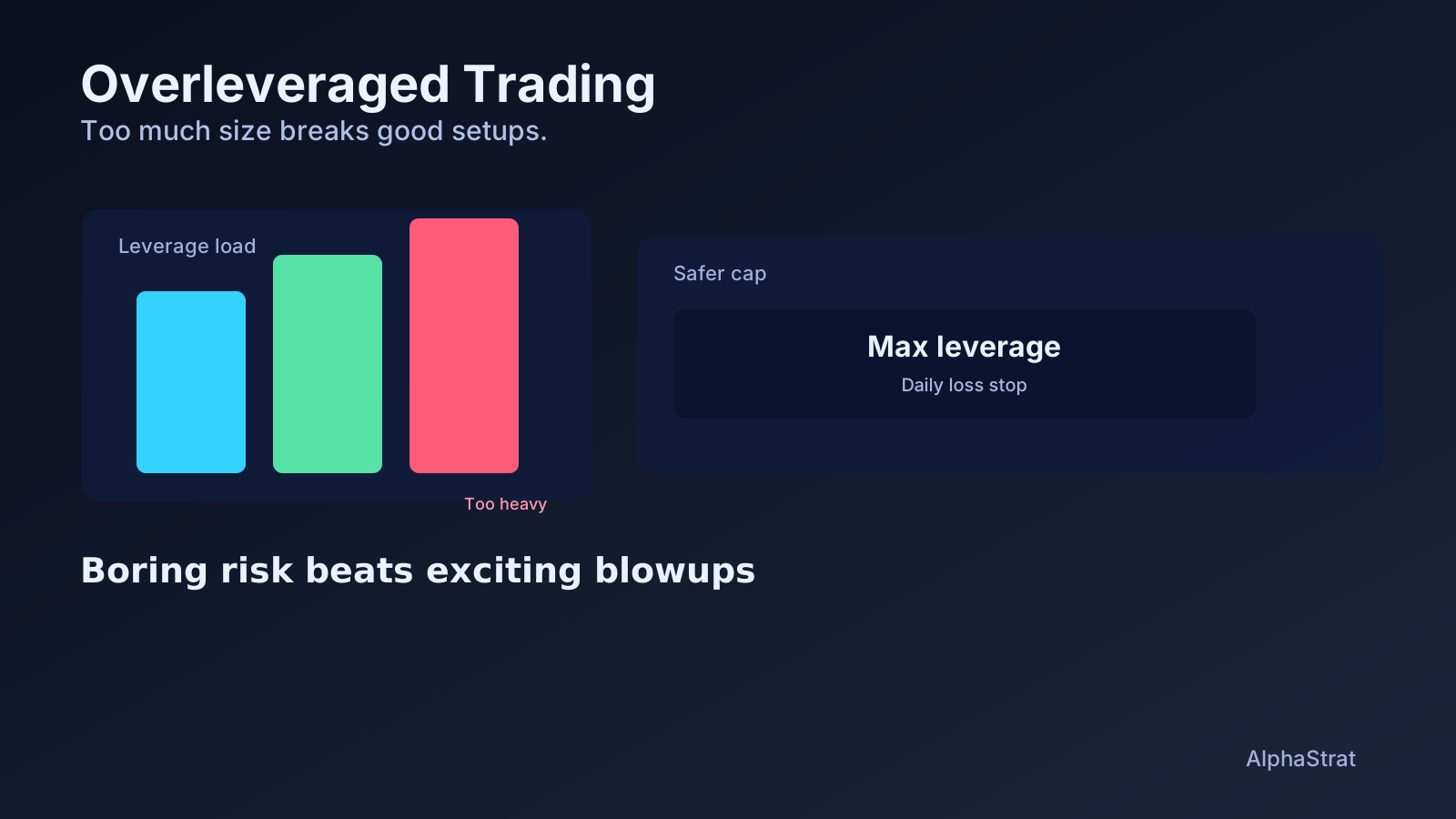
Where I am now: I still take aggressive setups — but my leverage is capped, and my losses are boring. Boring is how you stay in the game.
Quick visual: the workflow at a glance
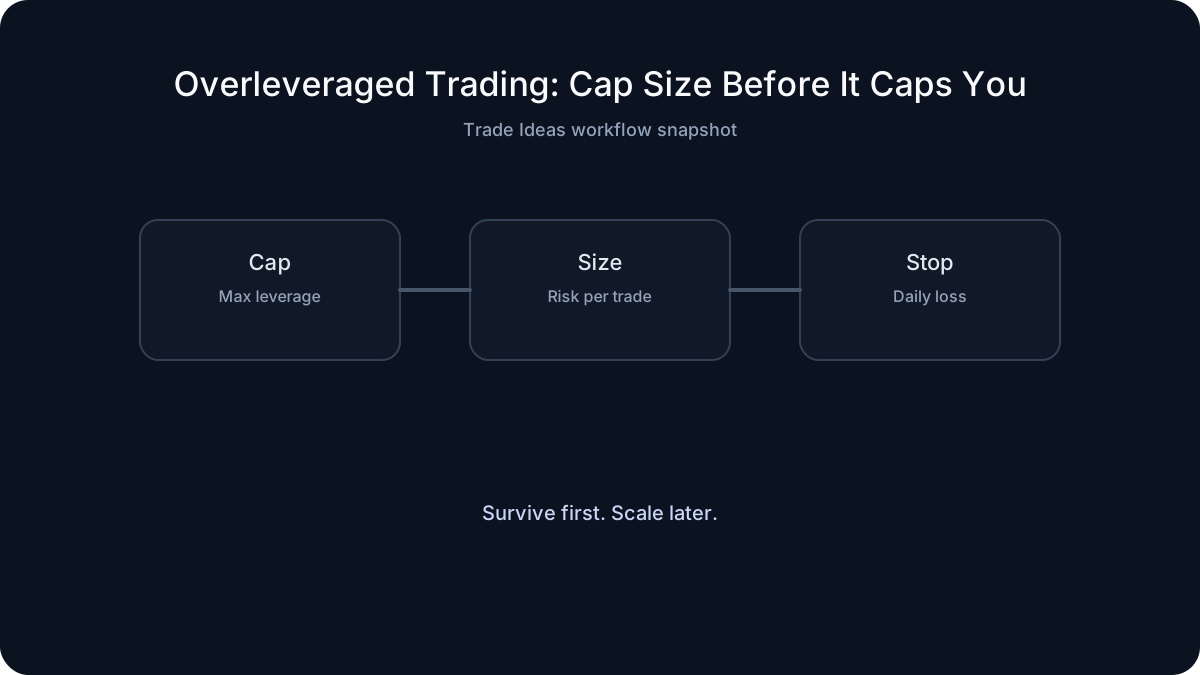
How to use it: - Cap leverage and max loss. - Size to volatility, not confidence. - Shut down after the daily stop.
Why overleverage feels harmless (until it isn’t)
Leverage feels harmless when you’re right. The P&L moves faster and your brain tags that as proof you’re improving.
The problem is simple: losses scale faster than confidence.
Overleverage turns normal drawdowns into account damage. And once your account is damaged, you’re trading from fear — not logic.
The leverage rules that kept me alive
These are the rules that stopped the blow‑ups:
- Fixed leverage cap (e.g., 1.5x or 2x max — no exceptions).
- Fixed risk per trade (e.g., 0.5–1% of account).
- Max loss per day (hard stop — close all positions).
- No averaging down unless it’s part of the original plan.
If I can’t take the trade under those rules, I skip it. The trade is optional. Staying in the game isn’t.
How I rebuild after a leverage mistake
If I break the rules, I don’t just “try to be better tomorrow.” I reset the system:
- Reduce size by 50% for the next 10 trades.
- Re‑establish max loss discipline.
- Journal the exact moment the leverage broke (and why).
That short cooldown period saved me more than any new strategy ever did.
How Trade Ideas keeps my size under control
Trade Ideas helps me avoid the “too many trades, too much size” trap:
- I narrow my scans so I’m not chasing everything.
- I set alerts only for setups that fit my risk rules.
- I track which setups require oversized stops — and skip them.
If you want to see how I build that focus, start with the Trade Ideas review.
Quick self‑check before you size up
Ask yourself: - If this trade loses, is the damage recoverable in a week? - Would I still take this trade at half size? - Am I sizing up because the setup is great — or because I’m hyped?
If you’re not sure, size down. You’ll get another trade tomorrow if you’re still solvent.
Final thought
Overleverage is a slow‑motion blow‑up. It feels great right before it doesn’t.
Cap your leverage, control your loss, and let the compounding do the heavy lifting.
When you’re ready to compare tools that help you trade with discipline, check Trade Ideas pricing or Trade Ideas plans.
Risk disclosure: Trading involves risk. Past performance is not indicative of future results.
Next step
Pick the right Trade Ideas plan
If you're ready to decide, start with the review and then compare pricing + plans.