Risk Management Mistakes That Blow Up Small Trading Accounts
When I first traded a small account, I thought the edge was finding the right ticker. It wasn’t.
The real edge was surviving the bad days long enough for the good days to matter.
The problem is that small accounts don’t have much margin for error. One oversized loss, one revenge re-entry, or one “this has to work” average-down can erase a month of progress.
Here’s the risk framework that finally stabilized my results.
My story: I learned risk the expensive way
I started with a tiny account and treated it like a lottery ticket. I’d size up because I needed the trade to work, not because the math made sense. One week I got caught in a fast selloff, averaged down twice, and watched a single trade erase two months of gains. That was the moment I realized a small account isn’t an excuse to be aggressive — it’s a reason to be precise.
I built a one‑page risk card and taped it to my monitor. It told me exactly how many shares I could take at different stop sizes, and what my max daily loss was. It felt restrictive at first, but it saved me from the emotional spiral that used to end my sessions early.
These rules didn’t make me rich overnight. They made me survivable, and survivability is the compounding edge most new traders underestimate.
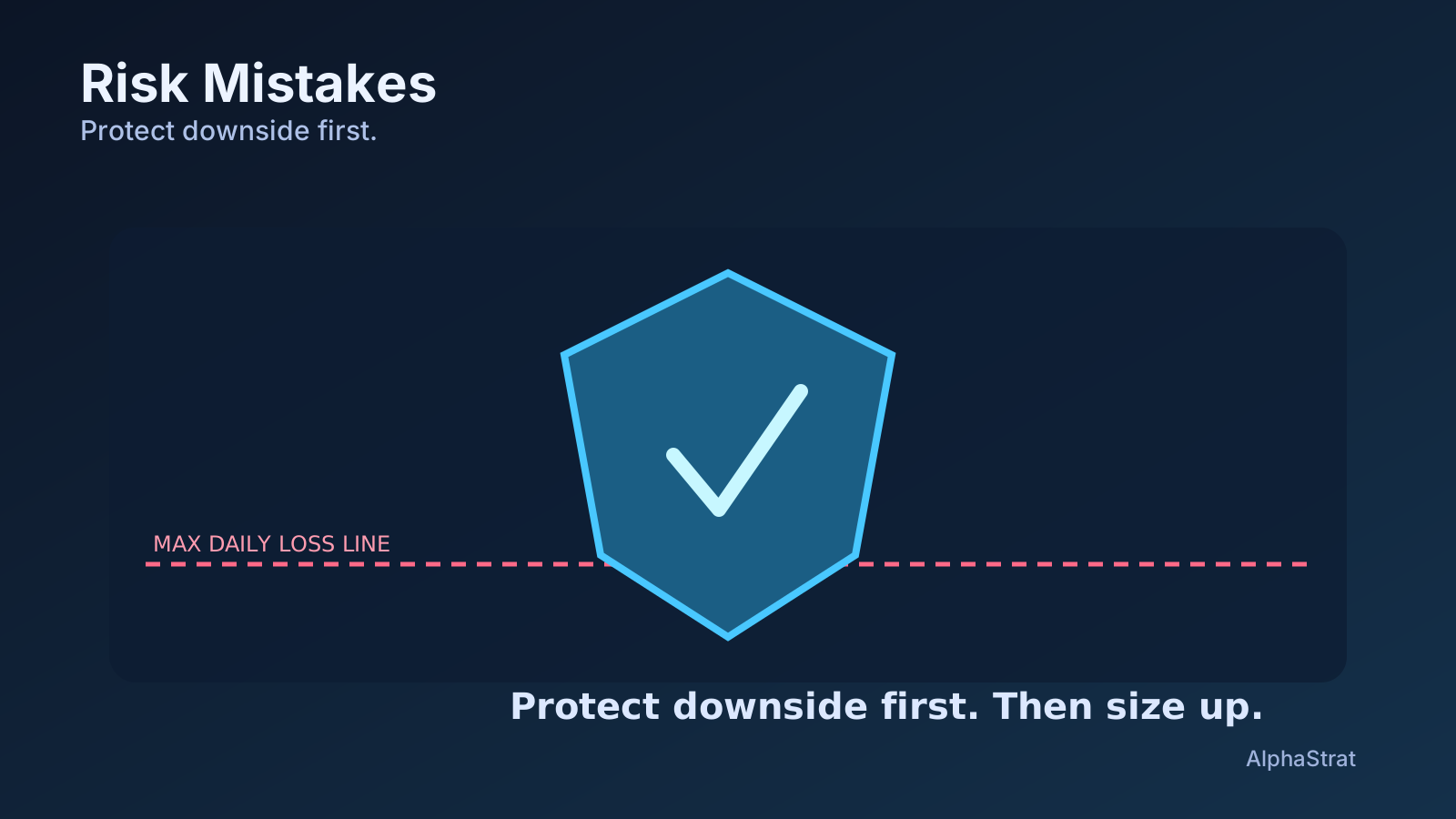
Where I am now: I protect risk like oxygen — if I preserve it, I get to keep playing.
Quick visual: the workflow at a glance
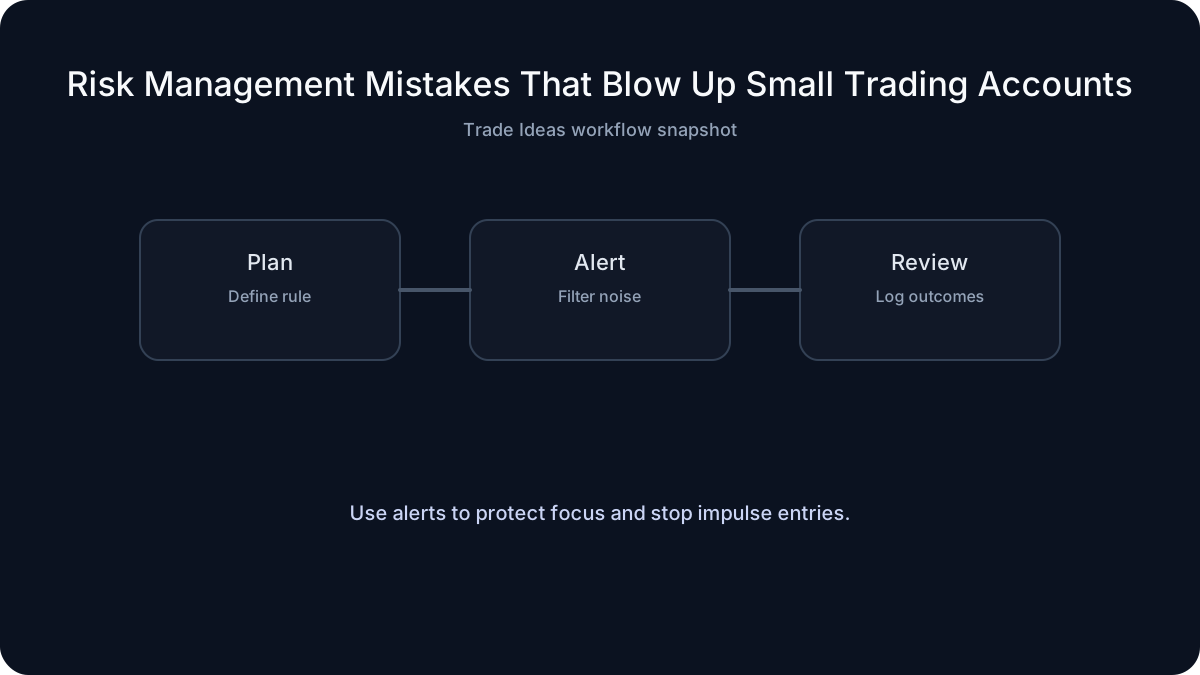
How to use it: - Plan the rule before the open (entry, risk, exit). - Alert only for setups that match the rule. - Review what fired and whether you followed the rule.
The 5 mistakes that quietly destroy small accounts
- Oversizing because “it’s a high-conviction setup.” Conviction is not a risk model. Position size should never be emotional.
- Moving stops to avoid being wrong. If you can’t respect a stop, you don’t have a trade — you have a hope.
- Averaging down without a plan. This turns a normal loss into a capital event.
- No daily loss limit. Without a circuit breaker, one red day becomes five.
- Stacking correlated trades. Different tickers, same thesis = same risk.
If any of these show up in your week, your account doesn’t need a new strategy — it needs guardrails.
The simple position-sizing rule I use now
I keep it boring on purpose:
- Risk per trade: 0.5%–1% of account size
- Max daily loss: 2%–3%
- Max weekly loss: 5%–6%
Example with a $10,000 account: - Risk per trade = $50–$100 - Max daily loss = $200–$300
That means if the stop is $0.50 away, my size is 100–200 shares. If the stop is $1 away, size is 50–100 shares. It’s math — not mood.
The daily circuit breaker that saved me
Once my daily loss limit is hit, I stop trading.
No “one more to get it back.” No exceptions. The rule is the rule.
Most of my worst drawdowns came from ignoring that line. Most of my recoveries started when I respected it.
Why alerts reduce risky impulse entries
When you’re watching 12 charts at once, you’re more likely to click something just because it’s moving. That’s how oversizing and revenge trades sneak in.
I now use scanner-driven alerts so I only see setups that already match my criteria. It makes it much easier to size correctly and stick to the plan.
If you want to see the alert workflow that helped me stay disciplined, start here: Trade Ideas review.
A weekly risk check (takes 10 minutes)
Every Friday, I answer three questions:
- Did I follow my size rules on every trade?
- Did I break my daily max loss rule? If yes, why?
- Which trade hurt the most — and what rule would have prevented it?
This keeps the focus where it belongs: process first, P/L second.
Final thought
Small accounts don’t blow up because traders are stupid. They blow up because risk rules are optional — right up until they aren’t.
If you want a platform that helps you stay selective and risk-aware, compare options here: Trade Ideas plans and Trade Ideas pricing.
Risk disclosure: Trading involves substantial risk and is not suitable for every investor.
Next step
Pick the right Trade Ideas plan
If you're ready to decide, start with the review and then compare pricing + plans.
