Trading Plan & Playbook: The Rules That Make Consistency Possible
I used to tell myself I had a “plan.”
In reality, I had a vibe.
Every morning I’d open charts, scan the news, and wait for something to feel right. Some days it worked. Most days it didn’t. What I really had was a moving target — and that’s not a plan. That’s gambling with extra steps.
My story: when I stopped guessing, things started working
My breaking point was a week where I made money three days in a row and gave it all back on Friday. I looked at my notes and realized there were four different entry styles in the same week. No wonder I couldn’t tell what worked.
So I built a playbook that was embarrassingly simple: - Two setups (momentum break and pullback re‑entry) - One position sizing rule - One stop rule - One max‑loss rule
That was it.
I wrote the rules on a single page and taped it next to my monitor. If a trade didn’t match a setup, I skipped it. If I broke a rule, I logged it. Within two weeks, the noise faded — and my confidence finally had something real underneath it.
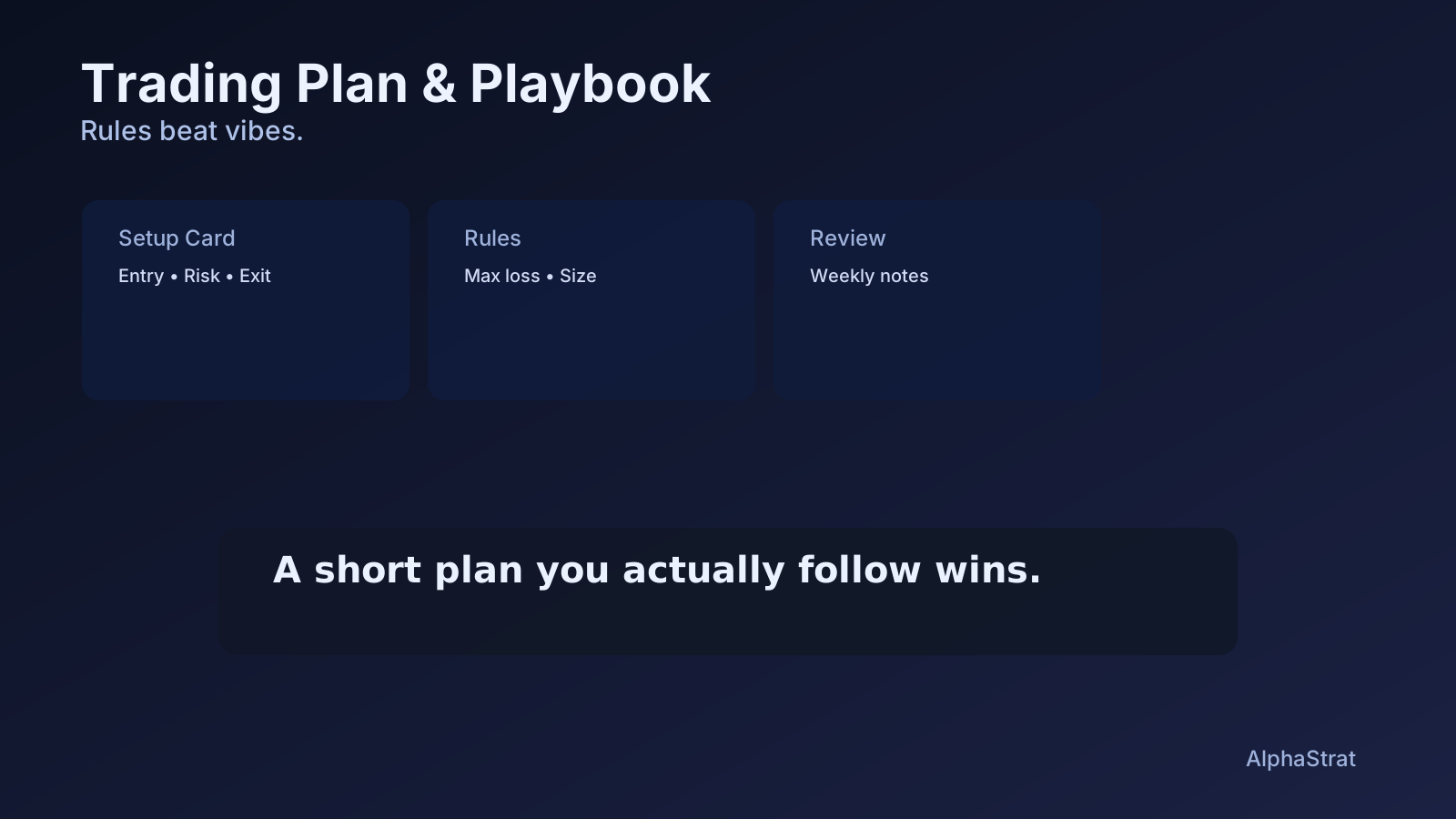
Where I am now: My plan is still short. It’s just measured, repeatable, and easy to follow under pressure.
Quick visual: the workflow at a glance
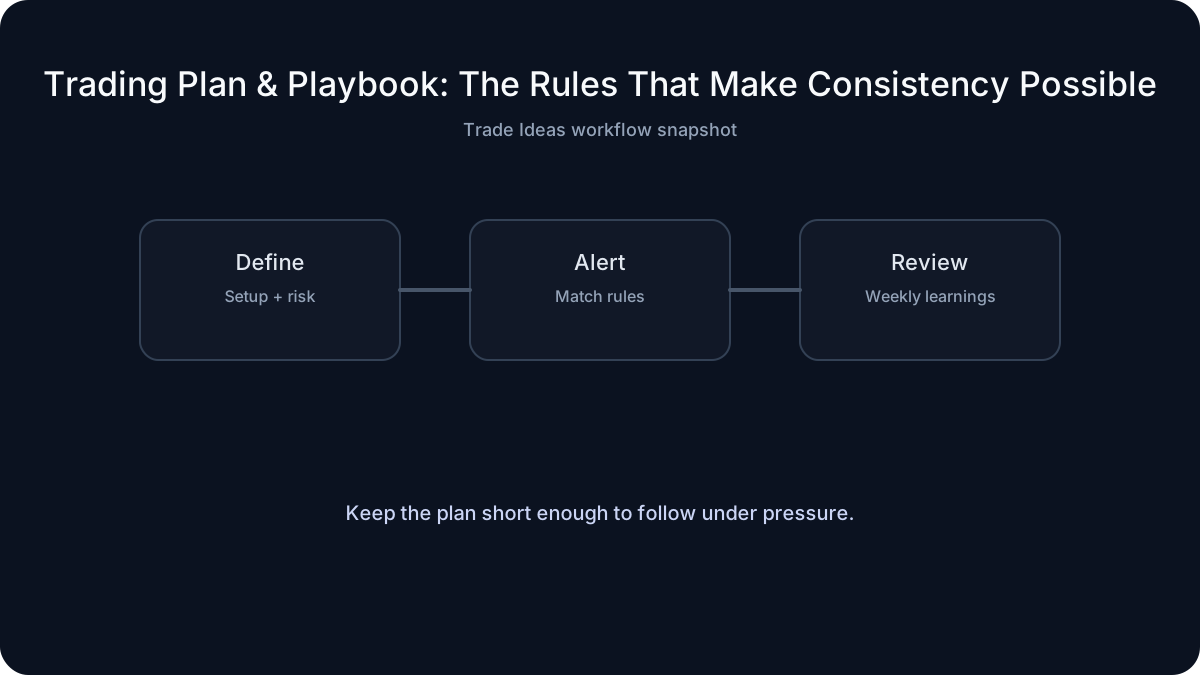
How to use it: - Define the exact setup and risk rules. - Alert only for that setup. - Review weekly to lock in the lesson.
What a real trading plan includes (and what it doesn’t)
A plan isn’t a 20‑page PDF. It’s a few rules you actually follow.
Here’s the minimum structure that changed everything for me:
- Setup definition — what the entry actually looks like.
- Risk rule — how much you lose when you’re wrong.
- Exit logic — where you take profit or stop out.
- Max loss/day — the guardrail that keeps you in the game.
- Review cadence — when you analyze results (weekly works).
If it isn’t written, it isn’t real. If it’s written but ignored, it’s just decoration.
The playbook format that keeps it simple
I use a one‑page playbook. Each setup gets a card: - Name (e.g., Opening range break) - Context (trend/range, volatility conditions) - Entry trigger (clear, repeatable condition) - Invalidation (where I’m wrong) - Notes (common mistakes + fixes)
That’s it. If the card doesn’t match, I don’t trade.
How Trade Ideas makes the plan real
Your plan only works if you see the right opportunities at the right time. That’s where Trade Ideas helped me the most.
- I turned each setup into a scanner/alert.
- I removed all the noise that didn’t match the playbook.
- I logged every alert hit and whether I executed correctly.
It felt like training wheels — and that was the point. It kept me honest until consistency became normal.
Want to see how that looks in practice? Start here: Trade Ideas review.
A simple weekly review ritual
Every Friday I ask three questions: - Did I follow the rules? - Which setup performed best in this market? - What was the most common mistake?
Then I update the playbook with one small change. No overhauls. No reset.
Final thought
A trading plan isn’t about perfection. It’s about repeatability.
If you want consistency, build a plan that’s short enough to follow, and a playbook that’s easy to execute under pressure.
When you’re ready to compare tools that support that discipline, check Trade Ideas pricing or Trade Ideas plans.
Risk disclosure: Trading involves risk. Past performance is not indicative of future results.
Next step
Pick the right Trade Ideas plan
If you're ready to decide, start with the review and then compare pricing + plans.